
Take Charge of Your Health: 5 Steps to Healthy Eating
Do you want to have more energy for work and play? To have a more positive mood? Perhaps you want to avoid the expense and pain of having a chronic disease. Whatever your reason, healthy eating is an important starting place on your health journey.
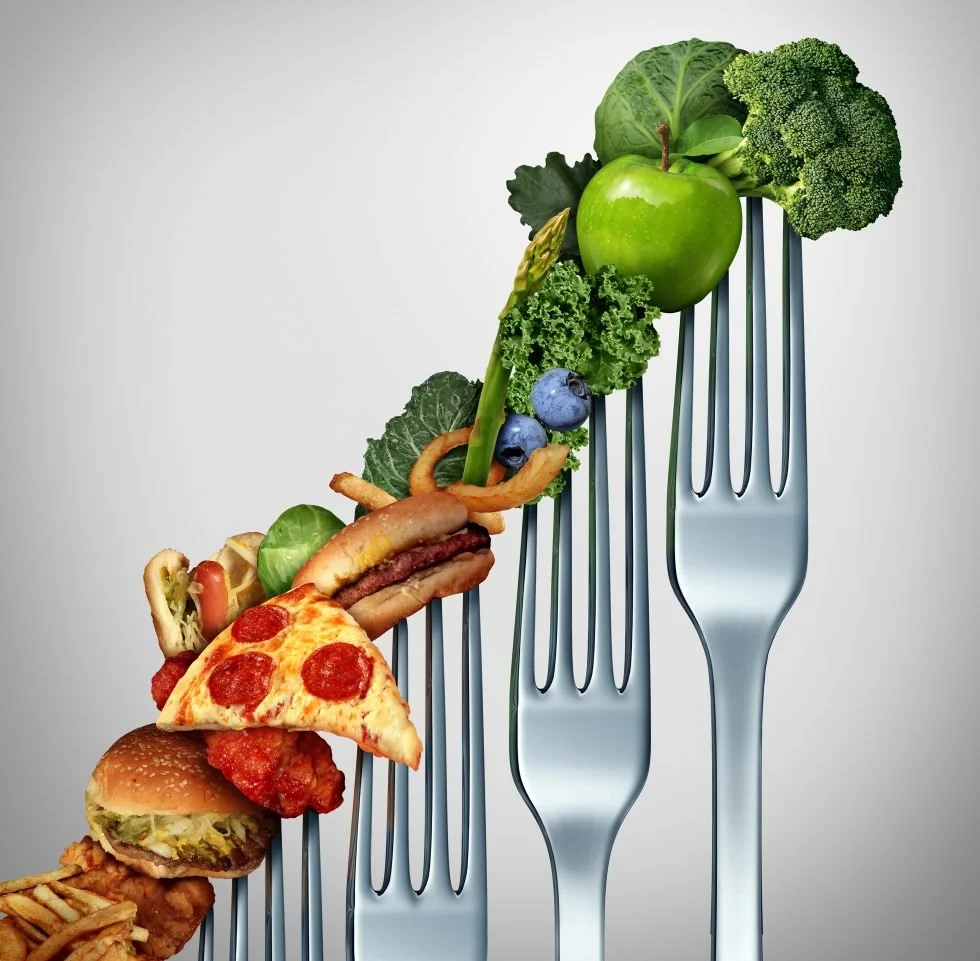
Food is the fuel and the raw materials for everything our body does, and moving toward healthier eating habits can help control weight, strengthen immunity, and bring energy for doing the things that are important to you.
Here are some steps that you can pick that will give you energy right away. My book, “Wellness is More Than Weight” provides even more guidance so pick a small step and get started on your journey!
1. Increase Vegetables, Fruits, Legumes, and Whole Grains
For a balanced diet, begin adding nutrient-dense foods, i.e. they have the nutrients needed for energy and to support health. The natural version of foods is the best. For example, many baked goods, breads, and cereals often use refined/processed grains with the outer husk of the grain removed – they are white and fluffy but are missing fiber and nutrients that are essential.
Here are some ideas for adding healthy foods:
Grains: For whole grains the goal is a minimum of 50% of grain products as whole grain (whole wheat, brown rice, corn, oatmeal, millet, barley, quinoa). Look for bread that has at least 3 grams of fiber, and the first ingredient is whole grain – bread is often labeled to make you THINK it is healthy.
Vegetables + Fruit: Vegetables and fruit are so important that the goal is a minimum of 5 servings of vegetables/fruits daily. Some resources can help you understand how and why to add more fruits and vegetables. fruitsandveggies.org
Legumes: The legume family includes beans, peas, lentils, and chickpeas. The fiber
in beans has been shown to improve blood pressure and cholesterol. Add
legumes to soups, salads, main dishes, or as a dip with vegetables.
Nuts and Seeds: Research has found that substituting nuts and seeds for processed food helped people bring their cholesterol and triglycerides back to healthy levels. Nuts can be eaten raw, unsalted, salted, as a nut butter or nut flour, and even as nut milk. Add seeds to your salad instead of croutons for crunch.
2. Eat Regular Meals and Healthy Snacks
For those who are addicted to sugar, this step has the power to stop sugar craving, help weight loss, and allow people to make healthier choices at meal time.
Regular meals and healthy snacks that contain protein and fiber keep the blood sugar balanced and avoid the highs and lows that stress our body and send us running for a candy bar. The National Weight Control Registry found that a majority of the people who maintained their weight at a healthy level were regular breakfast eaters.
Quick Breakfasts
Instant oatmeal (non-sweetened) with a handful of walnuts and some dried fruit.
Hard-boiled egg
Smoothie made with protein powder and fruits/vegetables
Whole-grain toast with 2 Tablespoons of nut butter.
Greek yogurt
Snack Ideas
Handful of nuts or seeds (raw, non-salted is best)
Yogurt
String cheese
Bean dip with vegetables or whole grain crackers
3. Plan Meals
Nothing happens without a plan and healthy eating is no exception. Friends, magazines, andthe internet are great sources of easy, healthy meal ideas. Meal planning can be done while you are driving home from work or mowing the lawn, and be sure to challenge yourself to include all the food groups listed in step #1.
One strategy is to plan a low fat protein (chicken, fish, beef, etc) to cook at the beginning of the week that can be the basis for several different meals. For example, ground turkey could be spaghetti one night, and, by adding extra seasonings, a taco salad another day.
To make meal planning even easier, write your shopping list with all the foods found
in a particular section. For example, produce would be one column, and refrigerated
foods another.
4. Decrease Sweetened and Processed Foods
Sugar is lurking everywhere in foods these days. One 20-oz soda contains 16 teaspoons of sugar. A future topic, Reading Food Labels, will help you identify foods that are NOT helping your health. Click this link www.hsph.harvard.edu/nutritionsource/healthy-drinks to get ideas for healthy substitutes for soda/pop.
5. Watch Portion Size
Our brain’s survival instinct is to “Eat as much as you can, as fast as you can, and don’t share”, but with our constant food supply and sedentary lifestyle, too much food is killing us. Even large portions of healthy food can be a problem if we are eating more calories than our body needs.
Success Plan
The appendix of my book, Wellness is More Than Weigh: Easy Steps to Change Your Health Habits and Your Life (Available on Amazon) has a list of foods that have low impact on blood sugar. I think you will find that this list of health promoting foods can help give ideas for meal planning. This list also gives recommendations for number of servings of each food group per day and the ideal portion size. It will make Healthy Eating easier to implement.
Remember, transitioning to healthier eating habits is a gradual process. Celebrate each small victory along the way, and don’t hesitate to seek support from helpful resources to stay motivated and informed. By taking proactive steps towards healthy eating, you’re investing in your long-term well-being and vitality. Your body will thank you for it!
Resources:
Healthy Eating Support: https://www.hsph.harvard.edu/nutritionsource/healthy-eating-plate/
Visit our Website for More Tips on Living Healthy http://abbykurthnutrition.coach
